
Platelet-Rich Plasma (PRP) in gynecology: regeneration and intimate female well-being
Platelet-rich plasma (PRP) is an innovative technique within regenerative medicine , which is becoming established as an effective tool to improve female intimate health.
This is a procedure that uses the body's own resources to stimulate tissue regeneration , improve functionality, and relieve symptoms that affect the quality of life of many women.
What is PRP and how does it work?
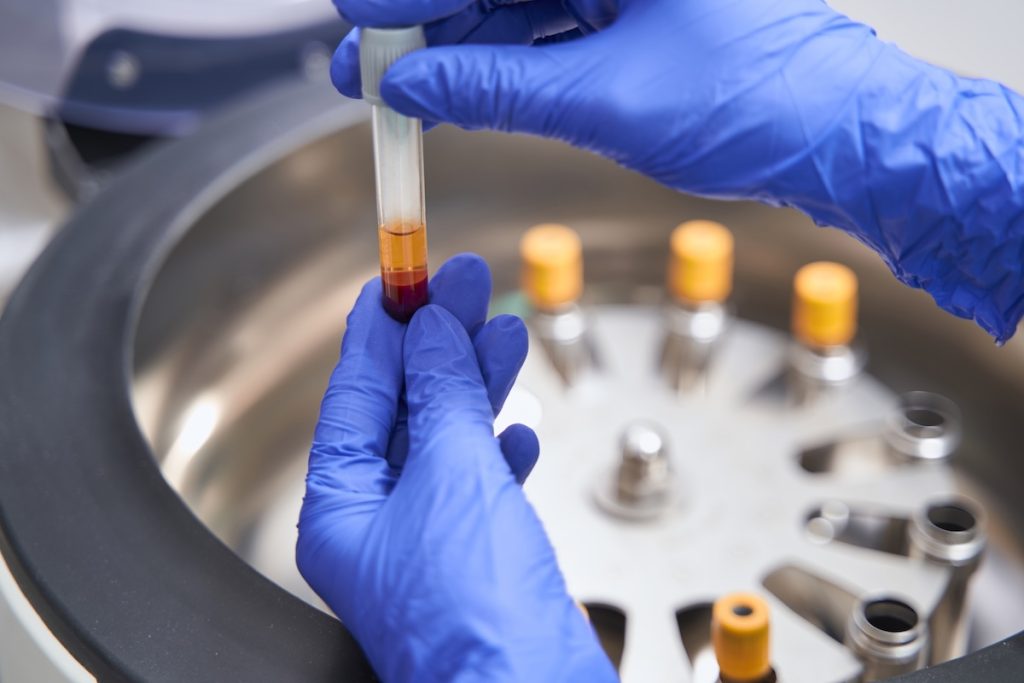
PRP involves extracting a small amount of blood from the patient, centrifuging it, and obtaining plasma with a high concentration of:
- Nose Pads
- Growth factors
- Angiogenesis factors
These components promote tissue regeneration , improving vascularization, elasticity, and tissue health.
PRP applications in gynecology
Although PRP has been widely used in specialties such as dermatology or traumatology, in recent years it has shown great benefits in the gynecological field.
As Dr. Isabel Rodríguez-Piñero, gynecologist at the Women's Unit of the Ruber International Hospital , explains, this treatment allows us to address problems that often do not improve with conventional medicine.
It is especially indicated for women who present with:
- Vaginal dryness
- Pain during sexual intercourse
- Mild urinary incontinence
- Discomfort after episiotomies
- Changes associated with postpartum or menopause
Who is recommended for?
The PRP is aimed at women who:
✔ They have not obtained results with conventional treatments
✔ They are looking for a natural and regenerative alternative
✔ They wish to improve their intimate well-being and quality of life
According to Dr. Rodríguez-Piñero, these types of treatments are part of a holistic and integrative approach , key in modern medicine.
How is the treatment performed?
It is a simple and safe procedure that is performed in the office:
- Blood draw from the patient
- Centrifugation to obtain PRP
- Application by means of microinjections in the area to be treated
Local anesthesia , usually in cream and/or infiltrated form, is used to minimize discomfort.
Security and recovery
PRP is a technique:
- ✔ Safe (using autologous material, from the patient herself)
- ✔ Minimally invasive
- ✔ With very few complications described
Furthermore, it allows you to return to your routine the same day , without the need for prolonged rest.
As Dr. Isabel Rodríguez-Piñero points out, the benefits of this treatment far outweigh the risks , offering an effective option to improve the quality of life for many women.
Regenerative medicine at the service of women
When conventional medicine is not enough, regenerative medicine offers an integrative and holistic approach , helping to improve symptoms that directly impact physical and emotional well-being.