


The temperatures these days are starting to resemble summertime. Therefore, the Women's Unit at Ruber International Hospital would like to remind you of some key points and tips to keep in mind for a healthy summer and to avoid the potential consequences of the summer heat.
Avoid heat stroke
Heatstroke is undoubtedly one of the biggest concerns during the summer, especially on the hottest days. Heatstroke generally occurs when the body reaches 40°C (104°F), after exposure to high temperatures or physical exertion in very hot conditions.
Treating heatstroke quickly is crucial to prevent damage to vital organs such as the brain, kidneys, or heart. Therefore, recognizing the symptoms is paramount.
- Extremely high body temperature, reaching 40º.
- Delusions, confusion, irritability.
- Nausea and/or vomiting.
- reddened skin
- Accelerated breathing.
- Elevated heart rate.
- Headache.
- Very hot and dry skin or, on the contrary, excessive sweating.

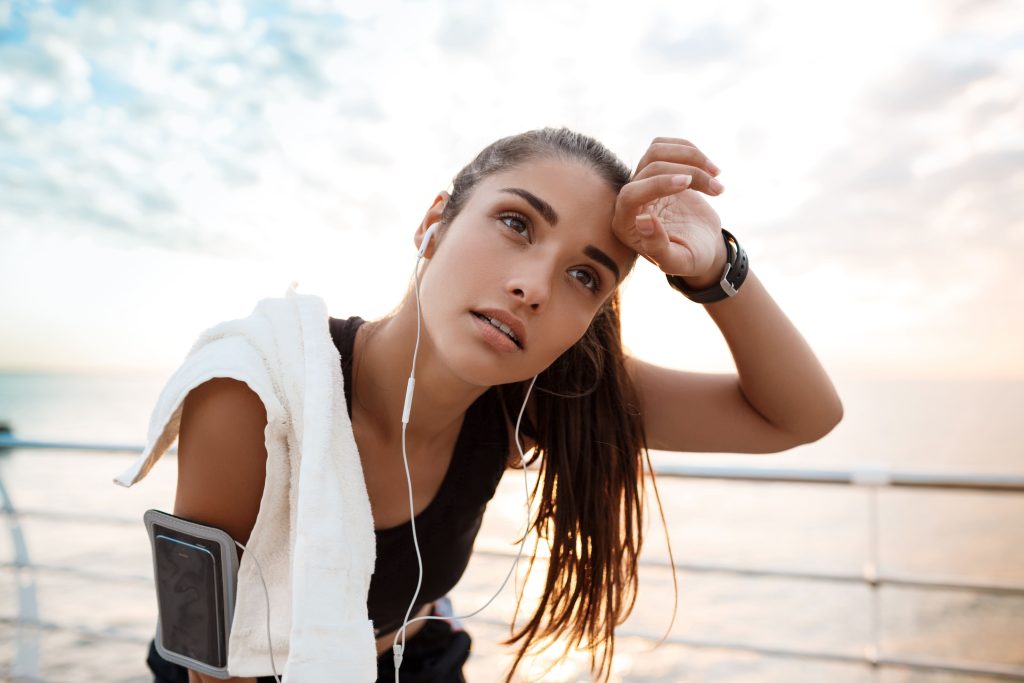
What to do in case of heat stroke?
The best course of action is to seek medical help immediately and call emergency services. In the meantime, you can take certain steps such as moving the person to a cool, shaded area, removing excess clothing, and using methods to lower their body temperature, such as giving them a cool bath, applying a cool sponge to their body, or using damp compresses or towels on areas like the groin, armpits, forehead, and back of the neck.
How to avoid heat stroke?
- Avoid sun exposure during the central hours of the day.
- Cover your head when exposed to the sun on the street.
- Wear light, breathable clothing.
- Maintain good hydration.
Hydration in summer
During the summer, high temperatures cause the body to lose water much faster than usual. For this reason, the risk of dehydration is much greater. Maintaining good hydration is essential for the proper functioning of the body, as it allows it to transport oxygen to the muscles, eliminate carbon dioxide through respiration, and regulate blood pressure. Furthermore, poor hydration can also affect the digestive process, the circulation of nutrients, and cause the heart to work harder, putting it under significant strain.
Symptoms of dehydration?
The symptoms are similar to those of heatstroke , the most important being thirst and dry mouth, headache, extreme tiredness, dizziness, difficulty concentrating, and urination that is small and dark in color…
How to stay well hydrated in summer?
The main recommendation is to drink around 2,5 liters of water daily in summer. It's also advisable to always carry a water bottle with you when you're outdoors and exposed to high temperatures, and to drink regularly, even if you don't feel thirsty. Furthermore, it's recommended to include foods with high water content in your diet to promote hydration, such as watermelon, cucumber, melon, tomatoes, and celery.
Hydration during pregnancy and breastfeeding
It's important to know that the risk of dehydration is higher in pregnant and breastfeeding women , so it's especially important to take extra precautions and stay well hydrated during this time. In fact, poor hydration can affect not only the pregnant woman but also the fetus.
During pregnancy, a lack of hydration can manifest as cramps and even contractions due to the irritability of the uterus due to the lack of fluid.
For all these reasons, it is recommended to drink mostly water, as well as infusions, juices, etc., and avoid stimulating drinks (coffee, tea, etc.), sweetened beverages, and carbonated drinks.

Nutrition for a healthy summer
During the summer, it's common to make more plans, eat out more often, and enjoy outdoor cafes. This can sometimes make it difficult to maintain a healthy diet. However, it's important to maintain good eating habits to compensate for these occasional indulgences.
No miracle diets. The bikini operation leads many people to resort to very restrictive diets that promise quick results. However, the weight lost on these types of diets is regained just as quickly, damaging our health.
During the summer, as we've mentioned, we'll be incorporating foods with a higher water content into our diet. Fruit and vegetable consumption will be more noticeable, as fresh dishes like cold soups, salads, and gazpachos are more appealing than ever.
Eating raw vegetables and fruits with their skin will provide our bodies with more fiber and, in addition, they are antioxidants, which will help protect our skin in summer.
We will try to have a varied diet.
We can also increase our fish consumption during this time, as it is digested more quickly than meat, and in summer we prefer less heavy digestions.
When eating salads , we should pay attention to the dressings and ingredients, as they can be high in calories. Therefore, the most important thing is that a salad has a good base of vegetables, and we can add some protein or carbohydrates , such as lentils, rice, or tuna. It's also good to include a healthy fat (olive oil, avocado, etc.).
For pregnant women , it's important to take extra precautions during the summer against infections like salmonella and listeria, as these are more common in warmer weather. Therefore, extra care should be taken with fish, eggs, homemade ice cream (as it may contain undercooked egg), raw milk products, and other potentially harmful foods.
Of course, it's essential to maintain food during the summer. Special attention should be paid to items like eggs and poultry. Also, if we're eating outdoors and bringing prepared food from home, it's important to keep it fresh.
Summer skin care
We must protect our skin from the sun year-round. However, using sunscreen becomes essential during the summer months. Here are some tips for protecting your skin in summer:
Keep your skin very clean. During the summer, our skin gets dirtier from sweat, and we touch it more. Therefore, we must pay attention to cleansing our face both day and night.
We would like to emphasize, once again, the importance of hydration, both for the body (with the advice we mentioned earlier) and for the skin (with a moisturizer, micellar water, soaps, etc.).
Apply sunscreen several times a day, roughly every two hours.
Eat a diet rich in minerals, vitamins, and antioxidants.
During pregnancy, hormonal changes increase the risk of developing dark spots. Therefore, it's even more important to protect your skin with sunscreen and also to cover your head.

exercise in summer
When exercising in summer, the most important thing is to do it in moderation, avoiding the middle of the day (it is best to dedicate the first hours of the day to exercise) and always staying very well hydrated and wearing cool and breathable clothing.
Regarding pregnancy in summer, in addition to applying the previous advice, it is recommended to practice activities such as yoga, Pilates, swimming, walking, etc. And, if your feet or legs are swollen, it is recommended to apply cold showers starting with the feet, raise your legs, and perform massages to reduce swelling.
Related articles
If you found this article interesting and would like to be seen by a specialist in Gynecology and Obstetrics, the Women's Unit at Ruber International Hospital has a specialized department in this area. You can request more information by calling 91 387 51 72/73/74 or schedule an in-person appointment with top specialists.