

Exercise for pregnant women: What do the experts think?
Is exercise for pregnant women really beneficial for both the mother-to-be and the fetus?
Physical activity during pregnancy can be defined as the movements performed by a pregnant woman's body. These movements are generated by the muscles and produce energy. Physical activity includes both everyday household activities and activities that require more energy. Examples of the latter include swimming, walking, and aerobics, among others.
Numerous studies have demonstrated the benefits of physical activity for the general population. However, despite the significant benefits observed in pregnant women (both morphologically and in the physiological systems of both mother and fetus), research into the benefits of exercise for pregnant women is ongoing .
During pregnancy, a woman's body undergoes morphological and functional changes. Because of these changes, women are predisposed to considerable weight gain and changes in their cardiovascular and digestive systems. Furthermore, they are more prone to developing certain diseases, such as gestational diabetes or preeclampsia.
Various studies have demonstrated the significant benefits of an active lifestyle in preventing excess weight during pregnancy. Maintaining a healthy weight helps avoid secondary health conditions such as gestational diabetes, high blood pressure (preeclampsia), and even mood swings during pregnancy.
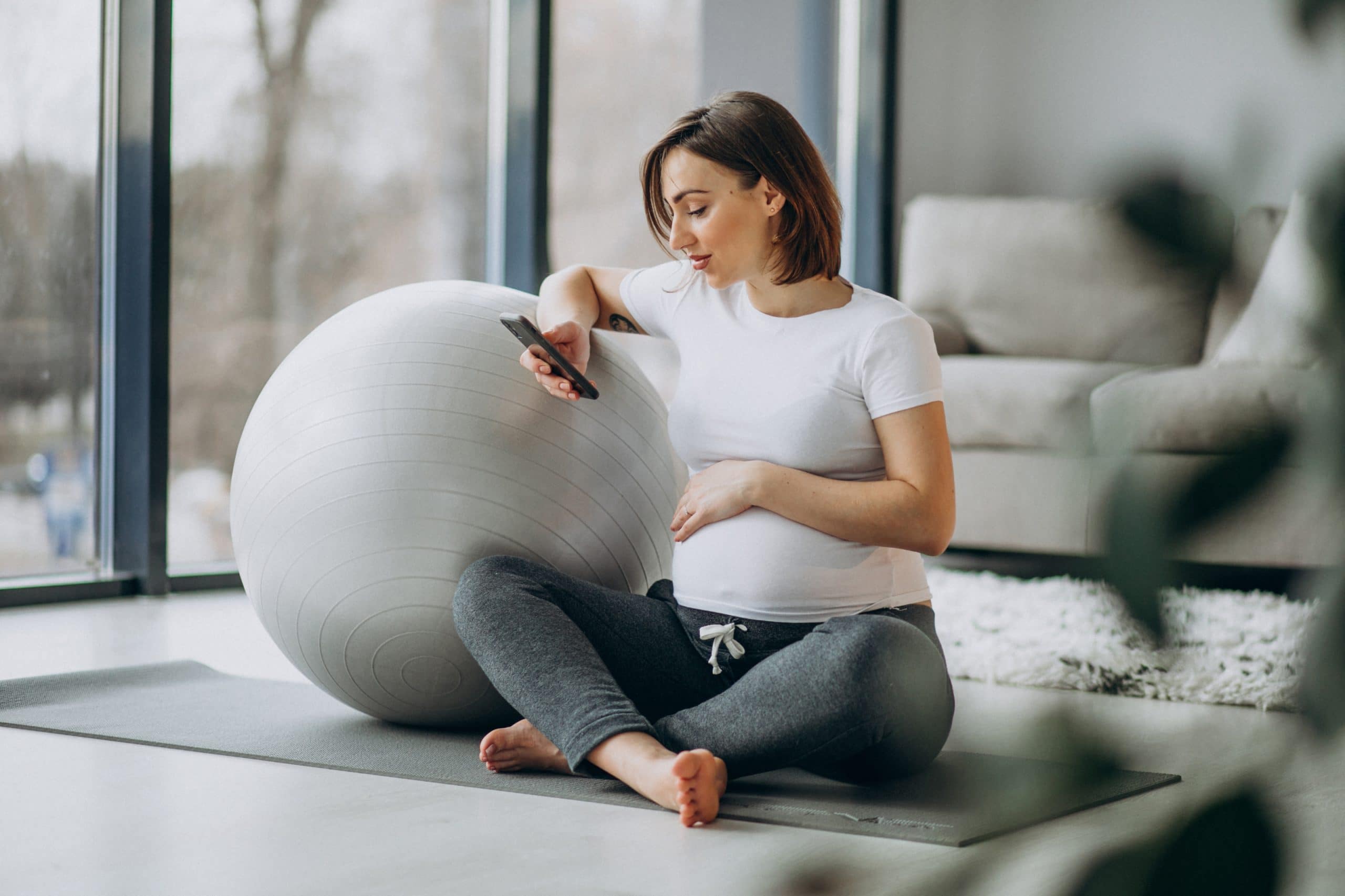
Benefits of exercise for pregnant women
Among the proven benefits of exercise for pregnant women are:
- Cardiovascular and metabolic. It has been shown to reduce heart rate in both mother and fetus, thereby reducing the risk of chronic diseases, normalizing blood pressure, improving cardiovascular function, and more.
- On a physical level, regular weight gain, which reduces the likelihood of suffering from gestational excess weight. Likewise, Reduces the predisposition to cramps and leg swelling, etc.
- The relationship between physical exercise during pregnancy and the lower chance of suffering complications during childbirth.
- On fetusNot only improves your health during pregnancy and prevents complications, but also helps to achieve a good child health later on.
As for intrauterine benefits…
- The intrauterine environment maintains the oxygen level and nutritional supply to the fetus. Several studies have shown that physical activity increases umbilical blood flow y improves placental circulation.
- La systolic/diastolic ratio It is a way of measuring the functioning of the artery of the umbilical cord. It has been observed that this relationship is Most after performing some physical activity.
- The aquatic exercises increase the amniotic fluid index. This increase is very favorable for the development of the fetus.

Exercise intensity for pregnant women
Therefore, we can affirm that exercise is beneficial for pregnant women. However, there is also advice regarding the intensity of exercise and the type of physical activity (some are not recommended):
- It is advisable to do exercise between 3-5 days per week with a duration of no more than 30 minutes per day and moderate intensity (without the person feeling fatigued).
- most recommended activities In pregnant women they are: walking, swimming, pilates or yogaExercises should be performed on safe surfaces to avoid potential falls that could harm the fetus.
Exercise in the prevention of diseases during pregnancy
Exercising in accordance with the above advice can help prevent the onset of some diseases:
Gestational diabetes
An increasing number of women who become pregnant suffer from gestational diabetes during this period. In most cases, it can be reversed once the pregnancy is over, although in some women it can persist afterward.
Two of the factors that predispose to the development of this disease are obesity and pregnancy in older women.
Gestational diabetes is associated with other risks for both mother and fetus, such as preeclampsia , miscarriage , and premature birth . It is true that these risks are more common in women who already had diabetes before becoming pregnant.
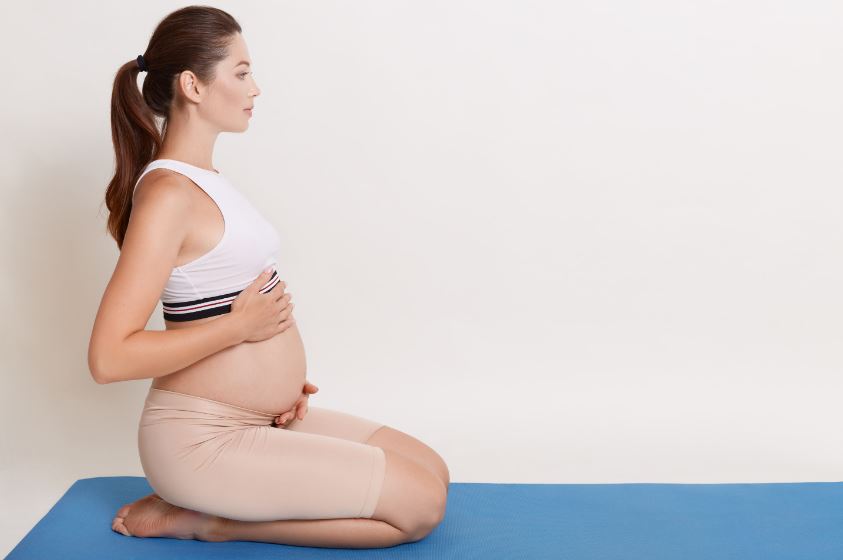
Conclusion on exercise for pregnant women
It can be concluded that, although research on the relationship between physical exercise and pregnancy has not yet concluded, it has a very positive impact on the health and well-being of the mother, the fetus, and the child's subsequent childhood.
Recommended Articles
- Childbirth Preparation Course of the Women's Unit
- Common doubts about pregnancy
- Nutrition during pregnancy: why is it important?
- Second trimester ultrasound
Bibliography
- Vidarte Claros, José Armando; Vélez Álvarez, Consuelo; Sandoval Cuellar, Carolina; Alfonso Mora, Margareth Lorena. Physical activity: a health promotion strategy. Magazine Towards Health Promotion (Internet). 2011 (cited April 25, 2011); 16(1):202-218. Available here
- F. Mata, I. Chulvi, J. Roig, JR Heredia, F. Isidro, Jd Benítez Sillero et al. Prescription of physical exercise during pregnancy. Andal with sport (Internet). 2010 (cited January 20, 2010); 3(2):68-79. Available here
- Carlos Salazar Martínez. Exercising during pregnancy: benefits and recommendations. REEFD (Internet). 2016 (cited May 30, 2016); 414:53-68. Available here
- Ilena Bauer, Julia Hartkopf, Stephanie Kullmann, Franziska Schleger, Manfred Hallschmid et al. Spotlight on the Fetus: how physical activity during pregnancy influences fetal health: a narrative review. BMJ (Internet). 2020 (March 16, 2020);6(1)e00068. Available here
- No authors. Diabetes in pregnancy: management from preconception to the postnatal period. London: National Institute for Health and Care Excellence (UK) (Internet). 2015. Available here
If you found this article interesting and would like to be seen by a specialist in Gynecology and Obstetrics, the Women's Unit at Ruber International Hospital has a specialized department in this area. You can request more information by calling 91 387 51 72/73/74 or schedule an in-person appointment with top specialists.