Nutrition for pregnant women: proper fetal development and disease prevention
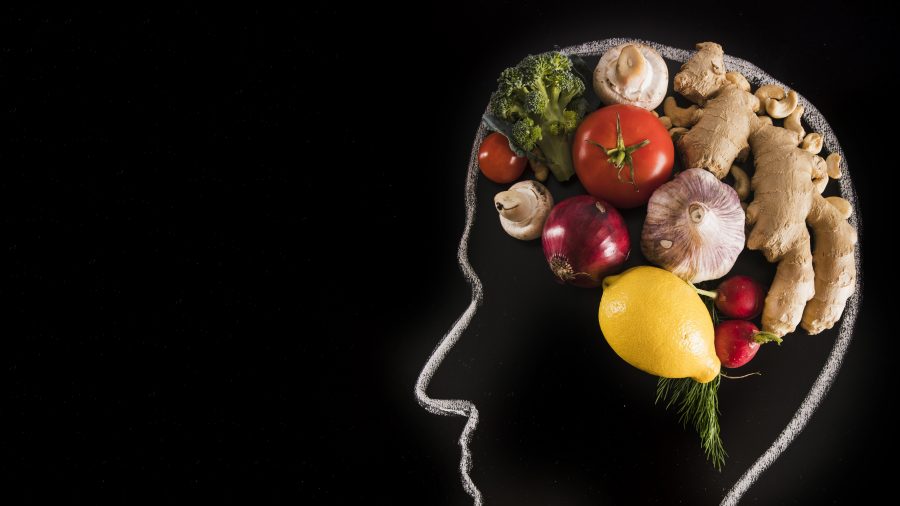
Nutrition for pregnant women: glucose
Nutrition for pregnant women: healthy fats
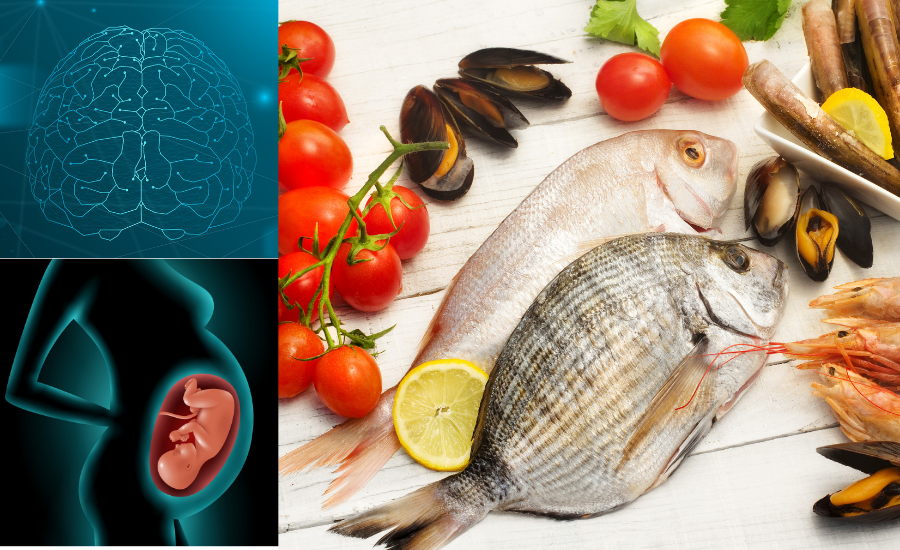
- blue fish, such as: salmon, tuna, mackerel, trout, herring, sardines, red mullet, swordfish, turbot, horse mackerel, etc.,
- nuts like nuts,
- oils like canola,
- or seeds like flax.
Nutrition for pregnant women: protein
- egg ('pattern protein' due to the quality of its amino acids),
- fish (especially the blue ones, also a source of omega 3),
- meat and dairy products.
- But some of these foods are associated with higher total and saturated fat. Therefore, we must be very aware of sources of vegetable protein such as legumes, nuts, cereals or seeds which, when correctly combined, form complete proteins with a very healthy unsaturated fat profile.
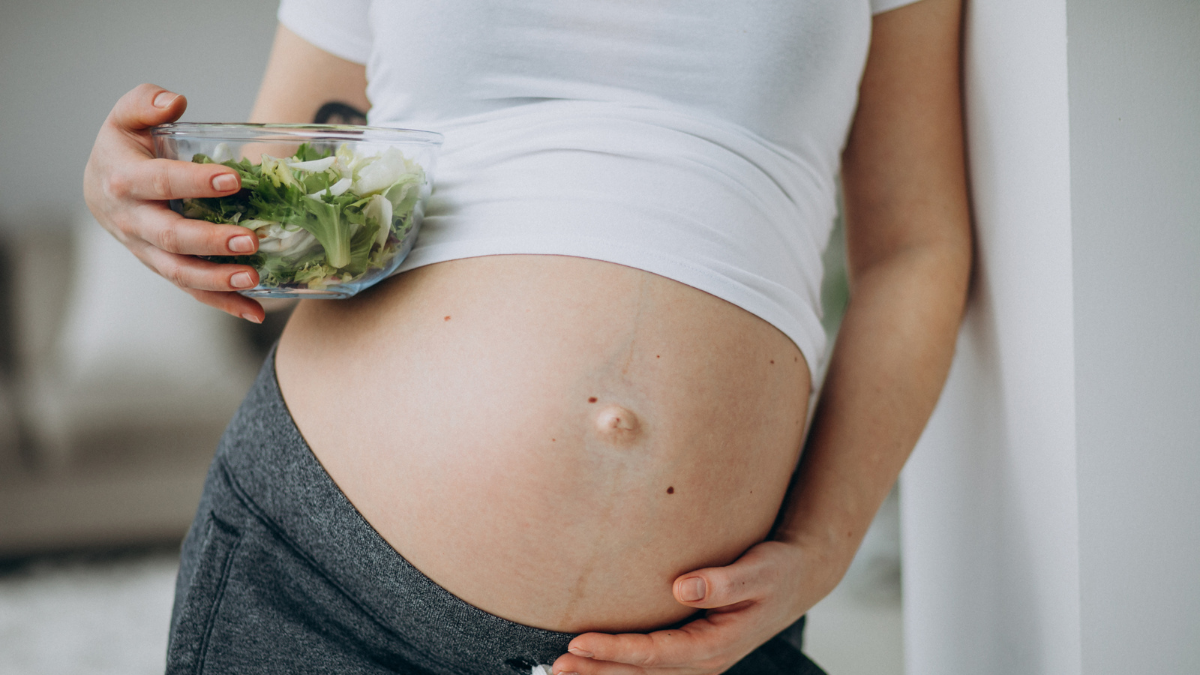
Nutrition for pregnant women: minerals
Iron , which is often deficient in certain stages of a woman's life, is necessary for oxygenation and energy production.
Zinc is involved in taste perception and has antioxidant potential.
Both can be found in meats, offal, fish, mollusks, legumes and nuts.
Magnesium and copper, which we find in nuts, legumes and whole grains, also play an important role in brain metabolism.
Iodine from fish, shellfish, seaweed , and iodized salt is essential for the formation of thyroid hormones, and a significant maternal deficiency can cause mental retardation in the baby.
Nutrition for pregnant women: vitamins
Vitamins from group B, such as B1 or B6 , found in whole grains, wheat germ, nuts or vegetables , promote intellectual and immune performance from the fetal stage to adulthood.
Folic acid from legumes , brewer's yeast, liver, leafy green vegetables or nuts and B12 from meats, organ meats, fish and eggs are involved in the synthesis of neurotransmitters and may delay the signs of dementia.
Antioxidants such as C and E , which are involved in the protection of nerve membranes, can be ingested through kiwi, guava, strawberries, currants, citrus fruits, peppers, cauliflower, broccoli, Brussels sprouts, spinach - in the case of the first - and seed oils, olive, almonds or hazelnuts - for the second.
Is the Mediterranean diet a good alternative?
In summary, it should be noted that a true Mediterranean diet is based on:
- a high intake of whole fruits and fresh vegetables (more than 400 g/day),
- a weekly consumption of 2 servings of legumes cooked without fat
- and blue fish
- along with whole grains, nuts and olive oil daily…
…provides the antioxidant, anti-inflammatory and moderate glycemic index nutrients we need for the proper intellectual development of the fetus, child and prevention of diseases in adulthood related to cognitive decline that are so prevalent in our society.
Recommended Articles
- Morning sickness
- Psychological changes you can expect during pregnancy
- Exercise during pregnancy: yes or no?
If you found this article interesting and would like to be seen by a specialist in Gynecology and Obstetrics, the Women's Unit at Ruber International Hospital has a specialized department in this area. You can request more information by calling 91 387 51 72/73/74, schedule an in-person appointment , or book an online consultation if you prefer; always with top specialists.