
What is Pelvic Floor Physiotherapy?
Within the field of physiotherapy, there is a specialty focused on problems that occur within the abdominal and pelvic cavity: the pelvic floor . Often, we don't consult a specialist in this area because we don't know exactly what it does or how it can help us. Well, here we will briefly explain the periods when women are more susceptible to injuries in this area and when it is advisable to see a physiotherapist specializing in it.
What is the pelvic floor and why is it important?
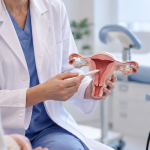
We will begin by explaining that the pelvic floor is the set of muscles and ligaments that close the lower part of the pelvic cavity.
Showtimes:
Among its main functions is urinary continence . The pelvic floor helps control urine leakage, as well as the release of gas and/or feces.
It also contributes to the support of pelvic organs , such as the bladder, uterus, and rectum.
This musculature plays an important role in sexual relations , both in the lack of sensitivity and in the pain during them.
In addition, it has a very important function during the pregnancy and childbirth process.
Pregnancy , postpartum, and menopause are three key stages in a woman's life during which the pelvic floor undergoes significant changes. These are times when special attention should be paid to the pelvic floor to prevent and avoid problems . These problems include incontinence, pelvic organ support issues, and difficulties with sexual intercourse, among other pelvic floor disorders.
For this reason, we want to give you basic guidelines for optimal pelvic floor maintenance in terms of the strength and endurance of these muscles.
Exercises for optimal maintenance of the pelvic floor
We recommend that you perform this routine once a day.
- Work force: 3 sets of 10 repetitions of 3-second hold contractions at 100% strength (as if stopping urination) and 3 seconds of rest after each contraction. Remember not to perform these exercises while urinating; it's not advisable.
- Resistance work: 3 sets of 10 repetitions of 10-second hold contractions at 75% strength and 5 seconds of rest after each contraction.
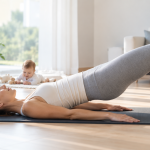
We recommend starting these exercises lying on your back, focusing on properly isolating these muscles. Try not to engage your glutes or legs, and don't hold your breath—these are unwanted compensatory movements. Then, gradually increase the intensity, moving to a seated position and, later, to a standing position.
If you found this article interesting and would like to be seen by a physiotherapy expert, the Women's Unit at Ruber International Hospital has a specialized unit in this area. You can request more information by calling 917303673, schedule an in-person appointment , or book an online consultation if you prefer; always with the best specialists.
Leave a comment